Hello beekeepers and honeybee enthusiasts,
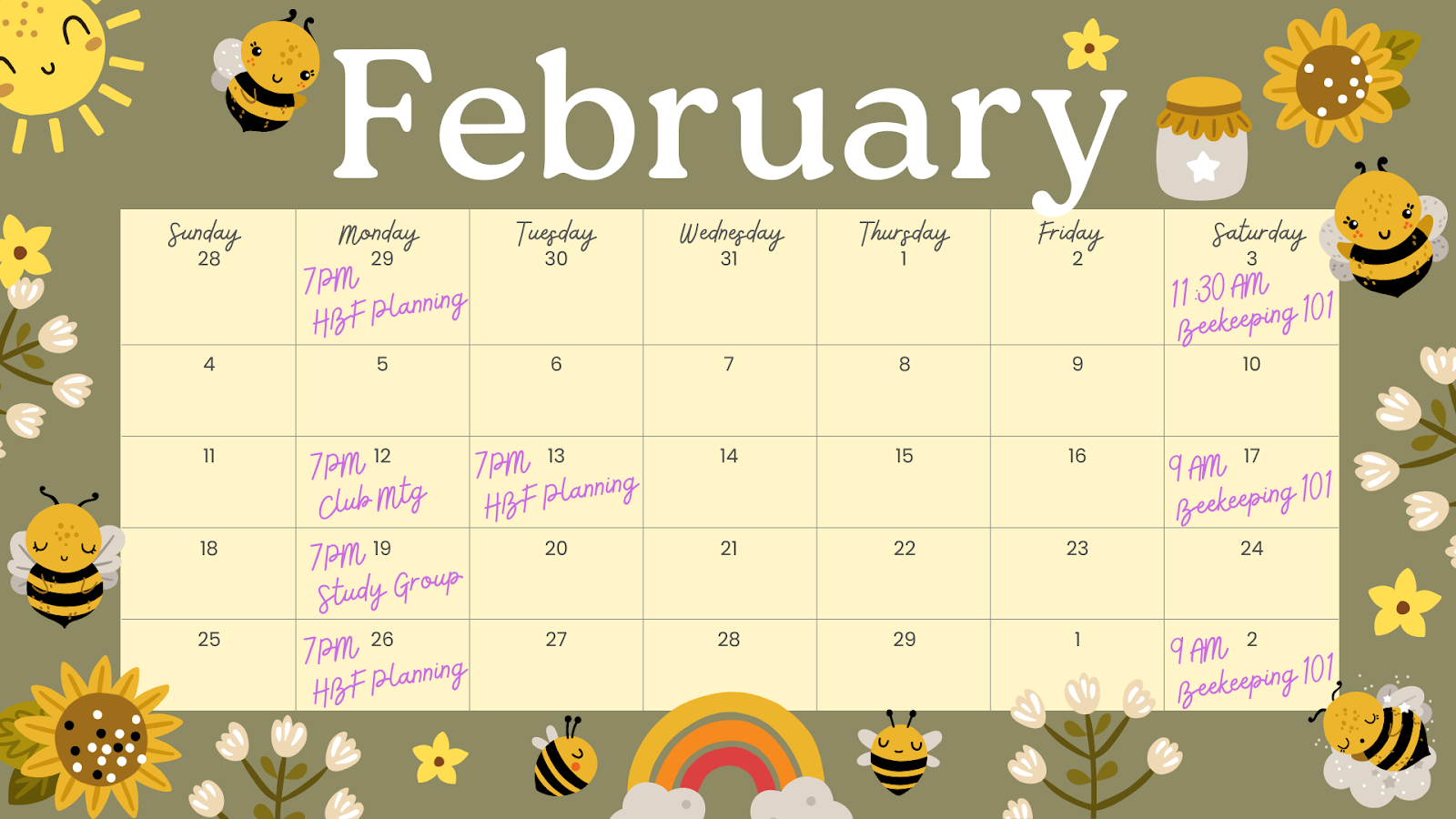
February is a busy month full of events for Rockwood Park Backyard Beekeepers. We have the Beginner Beekeeping Class, Honey Bee Festival planning, our monthly club meetings, and the study group all happening in February! Whew!

Meet Your Friendly 2024 Bee Club President: Don Osborne
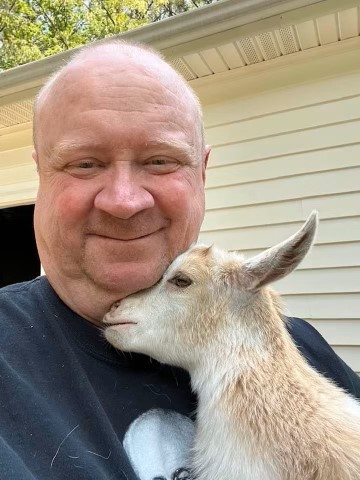
Hello everyone,
I’ve been President of the RPBBA for about a week now and feel like I’m in a whirlwind!
The Honey Bee Festival Committee is meeting and planning, managing an amazing amount of details for our event. This is going to be a banner year for the festival with a new venue that is larger, more accommodating and has a lot more parking. Activating volunteers will be a substantial boost for our club. So, when you get the call, please say “yes, I’ll be glad to help”.
The new beekeeper’s classes are starting soon and one of the struggles is to find enough people to help teach and support the course. So, if you get the text asking you to help, please respond “of course, anywhere I’m needed”.
Our communications director, Hollee does a great job of keeping us informed and she is focused on helping us to get to know each other, so when she sends you an email asking you to be a feature in the newsletter, I hope you reply “absolutely, anything you need”.
When I was asked to be President, my first reaction was to think of a way to say no, surely there are better people for the job. However, I think back to how much this club has helped me keep my bees alive and strong through the seasons. I know that I owe our club more than I could repay with my service.
When I think of the friends I have made and conversations with members, I realize that the club is important. It is important for us as individuals who are trying to keep bugs in a box alive. It is important to our local community because our bees help the gardens and farms produce. It is important to the greater community by helping pollinators and mother nature. Sometimes we need to be reminded of how important the work of our club is.
Finally, I want to thank Stan for his outstanding work and dedication to RPBBA. He is tireless in his work in leadership and keeping our Master Beekeeper Study Group going. I plan on continuing his commitment to education and expanding opportunities for mentoring, teaching and learning for all our members. Thank you for the trust you’ve placed in me. If you have ideas or suggestions, please reach out to me.
Don
🐝 2024 Beginner Beekeeping Course
NOTE: location & time change – for the 1st class
The first session of the 2024 RPBBA Beginner Beekeeping Course will be held on Saturday, Feb 3rd at the North Chesterfield Library (325 Courthouse Road). The class will begin at 11:30 am and end around 4 pm. Please arrive no later than 11:15 to orient yourself to the space and settle in before class.
As a reminder, RPBBA practices reciprocity with the Huguenot Beekeeping Association (HBA). Participants who are unable to make a class at RPBBA, may attend and receive the same instruction at HBA. Both clubs offer the same course on alternating Saturday’s.
2024 Honey Bee Festival Planning
Planning has begun and the date has been set for our 13th annual event (if you did not read the origin story of the RPBBA Honeybee Festival, please check it out in our January 2024 newsletter–it’s an interesting story).
The 2024 Honey Bee Festival will be held
@Chesterfield County Fairgrounds
10300 Courthouse Rd, Chesterfield, VA 23832
June 22nd, 2024, 10AM – 4PM (Note: extended hours compared with past festivals)
The festival continues to grow in popularity and attendance. To this end, we will need additional volunteers. There are many ways to help. Click the link below to see what suits your fancy. We need everything from baking items, volunteering at one of our many stations and/or serving in a leadership role https://forms.gle/vvwUjwffUB8xhuLS9
Thank you in advance for supporting this amazing, educational and fun event.
VSBA Master Beekeeping Study Group
For those who have never checked it out, the study group is a great way for RPBBA members to further their beekeeping knowledge. Several members are studying for the annual VSBA Apprentice and Journeyman exams. However, there is no requirement for attendees to pursue certification. The study group is open to all members who want to learn. During the study group sessions, questions from the VSBA Apprentice Study Guide are posed for the group to discuss and answer together. There is much to learn during open discussion with our peers!
Those interested to attend are encouraged to download the guide in advance and start working through the questions on their own.

Have You Reserved Your Bees For 2024?
Whether you’re a 1st time beekeeper, or looking to replace a colony that didn’t make it through Winter, there are resources for you to source live bees locally.
For those looking to purchase, check out our 2024 Resources for Live Bees & Equipment*. The time is now to start reserving your order(s).
*This is simply a list of local suppliers; RPBBA does not endorse or give preference. Buyers are encouraged to do their own research before making their decision to purchase from any supplier. The Virginia Bee Law requires that honey bees on combs, hives and equipment with combs must be accompanied by a certificate of health issued by the Office of Plant Industry Services prior to being sold in Virginia. For information on this, please visit the VDACS website.
ISO RPBBA Members Willing to Bee a Mentor
A Mentor’s purpose is to help other members with things like installing packages/nucs, in-hive help, capturing swarms or general questions.
With the 2024 Beginner Beekeeping course kicking off in January,we will soon have new-bee’s looking for assistance. If you are a RPBBA member and willing to bee a Mentor, please sign up here. You must be willing to have your contact information shared with other RPBBA members.
The goal is to create a current list of willing mentors, with their general location, to share with those ISO a Mentor near them.
This Month in the Hive (February)
The cluster is still tight on most days. The cluster will break and the bees will move on days where the temperature exceeds 50 degrees F or more. The queen remains in the cluster, and as the days lengthen, she will begin to lay a few more eggs each day. At this point, there are still no drones in the hive and workers will take cleansing flights on mild days.
As the cluster remains centered around the small brood nest, it will migrate upward as the lowest rows of capped brood hatch. The cluster will not quickly move up into new areas of honey after the brood nest forms, and mild days are important to the bees’ ability to move honey/pollen toward the cluster.
Around mid-February, maples begin to blossom and supply nectar and fresh pollen that are extraordinarily valuable to the growth of the hive. The maple blossom continues through mid-March. In areas of higher elevation, the maple blossoms start and end 7-14 days later. The bees will consume about 20 pounds of honey stores and nectar from maples. Alders may bloom in some locations and provide valuable variety in pollen proteins.
Tip: On a day that exceeds 55 degrees, open the hive and quickly check for sufficient food supplies, signs of disease, and to see if the queen is laying. Place a pollen patty near (but not directly on top of) the brood nest. More colonies are probably lost during this time of year than during all other winter months. A colony that is rearing brood will consume about 7 pounds of honey and nectar per week, and if the weather turns bad, a colony with small food reserves can quickly starve to death. Never allow the food stores to drop below 15 pounds. If they have less than 15 pounds of honey, start feeding stored honey or thick sugar syrup (two parts sugar to one part water.) Remember, once you start feeding, you need to continue feeding until the bees no longer consume the syrup, or until the end of April.
Consider whether to sign up for that “Advanced Beekeeper Course.” Attend bee club meetings and get equipment ready for spring. At this time of year, you may be advised to “reverse” the brood boxes on a hive with two brood boxes. It is too early in the year to perform this task with safety, so delay this task until you are confident that warmer weather has arrived. The first week of February may be a good time to add a pollen patty or candy board to a hive that is raising brood. If you enter the hive, you may consider moving a frame of honey from the outside of the hive to an area much closer to the brood nest. Do not place a frame of frozen honey immediately adjacent to the brood nest, however. Let it thaw out first.
Decide now how you are going to deal with the issue of swarms in April, May and June. Read and study the options, and seek advice. Prepare a bait hive now if you are going to use it later in the spring. If you are going to use more equipment to hold queen cells and deal with swarms, then take steps to obtain that equipment. https://buzzwordhoney.com/wp-content/uploads/2012/12/Northern-Virginia-Honeybee-Annual-Cycle.pdf]
Bee Vocabulary – “Pheromones”
Did you know that the Queen gives off pheromones to prevent workers from developing ovaries?!
The queen regulates the goings-on of the colony by emitting chemical blends (pheromones) from her mandibular glands (saclike glands located inside the head above the base of the mandible). The queen’s pheromones are often called the ‘queen signal’. The queen signal is a primer pheromone that keeps the colony in homeostasis (e.g. worker cohesion, inhibition of worker reproduction, and stimulation of worker activities).
When the queen is weak or dies, the low/no pheromonal signal drives workers to rear new queens. If there’s no young brood present in the colony, the workers become disorganized, stop doing their tasks and begin laying unfertilized eggs. The colony becomes unclean and more susceptible to diseases and prey. The hive population dwindles and in most cases, is doomed.
Beekeepers in the News
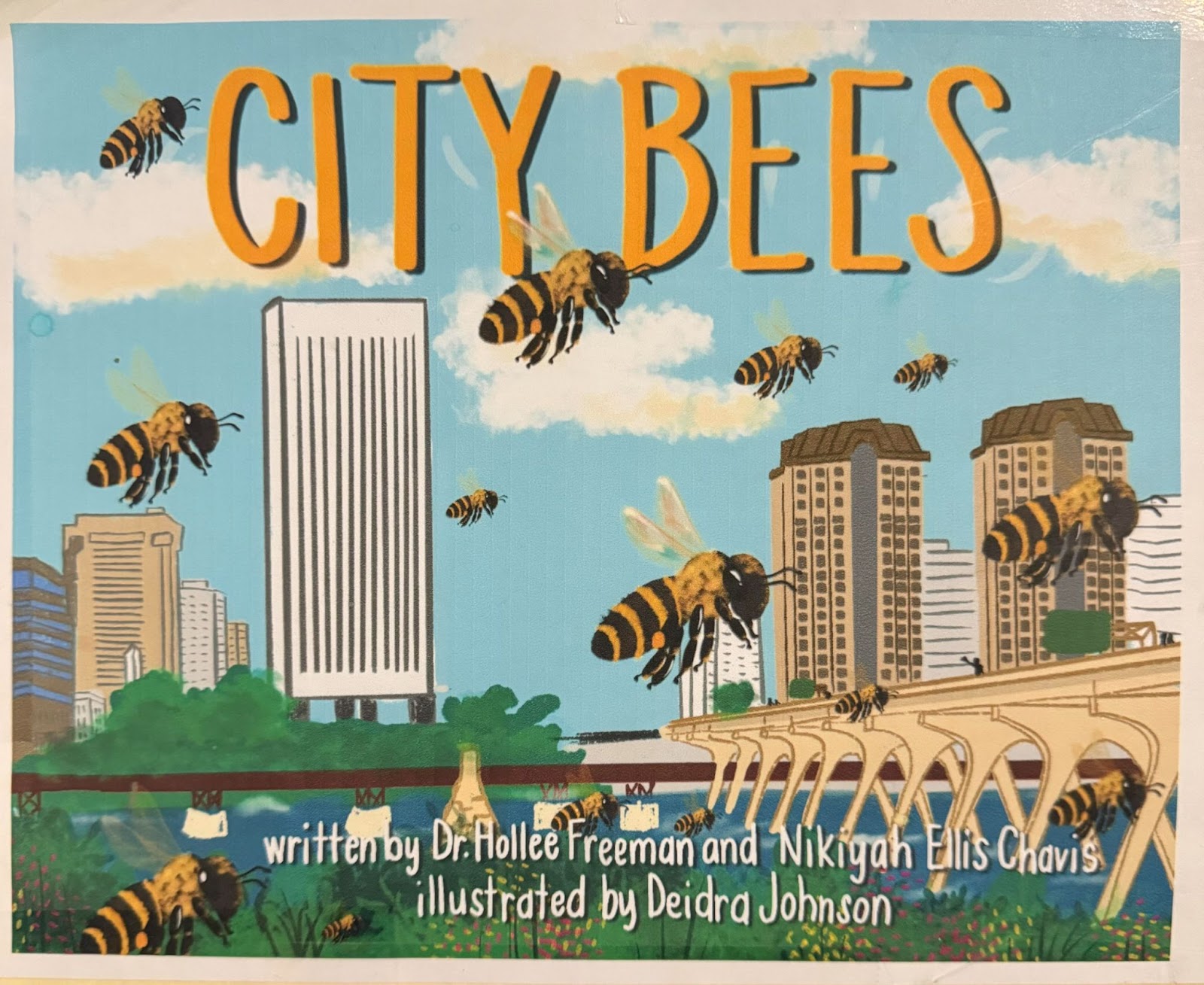
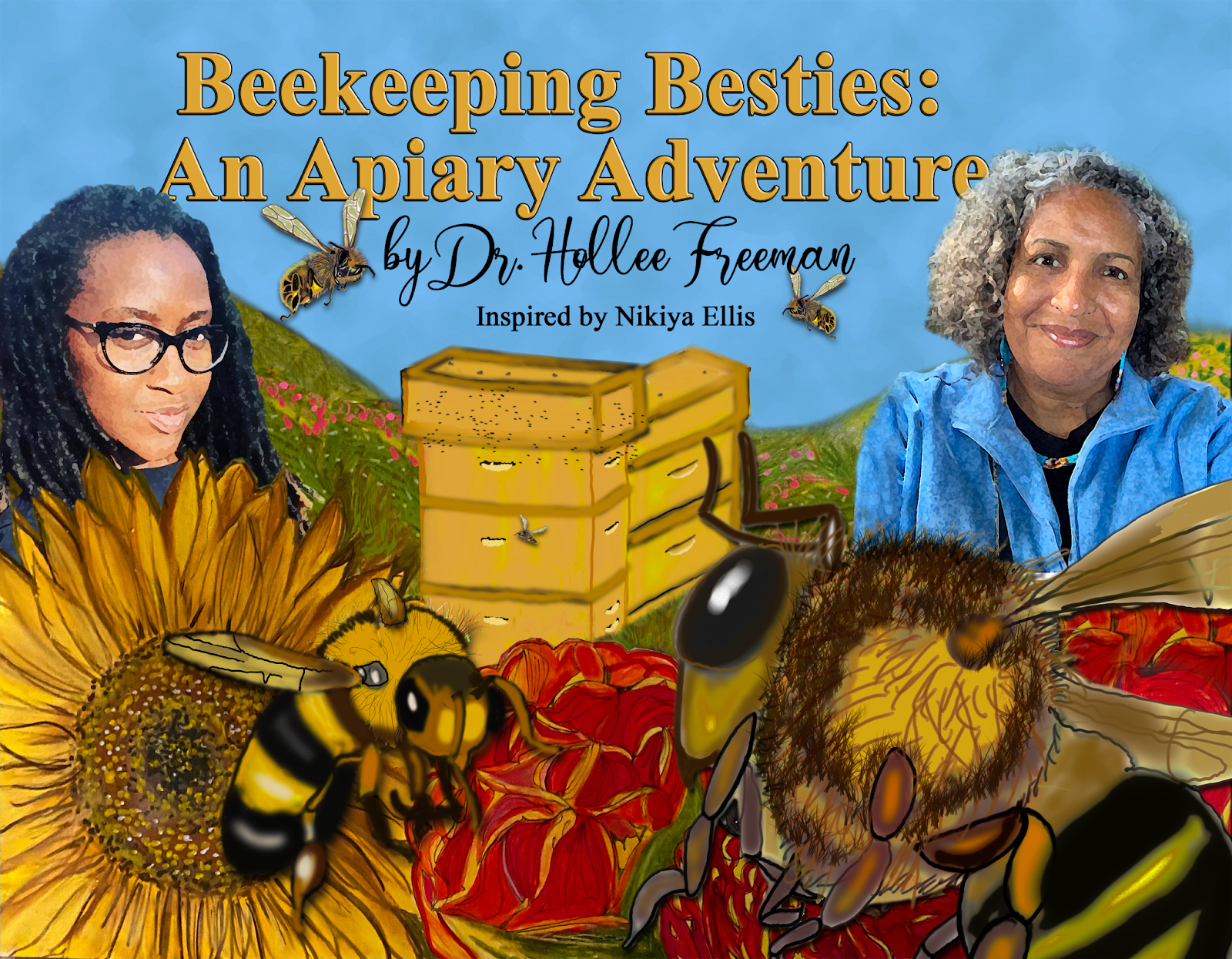
Hollee will be featured live on Channel 12 (12 About Town) on Friday, February 6th at…12 noon! She will talk about her children’s book, Beekeeping Besties: An Apiary Adventure, as well as her new book, City Bees.
Huge Thanks
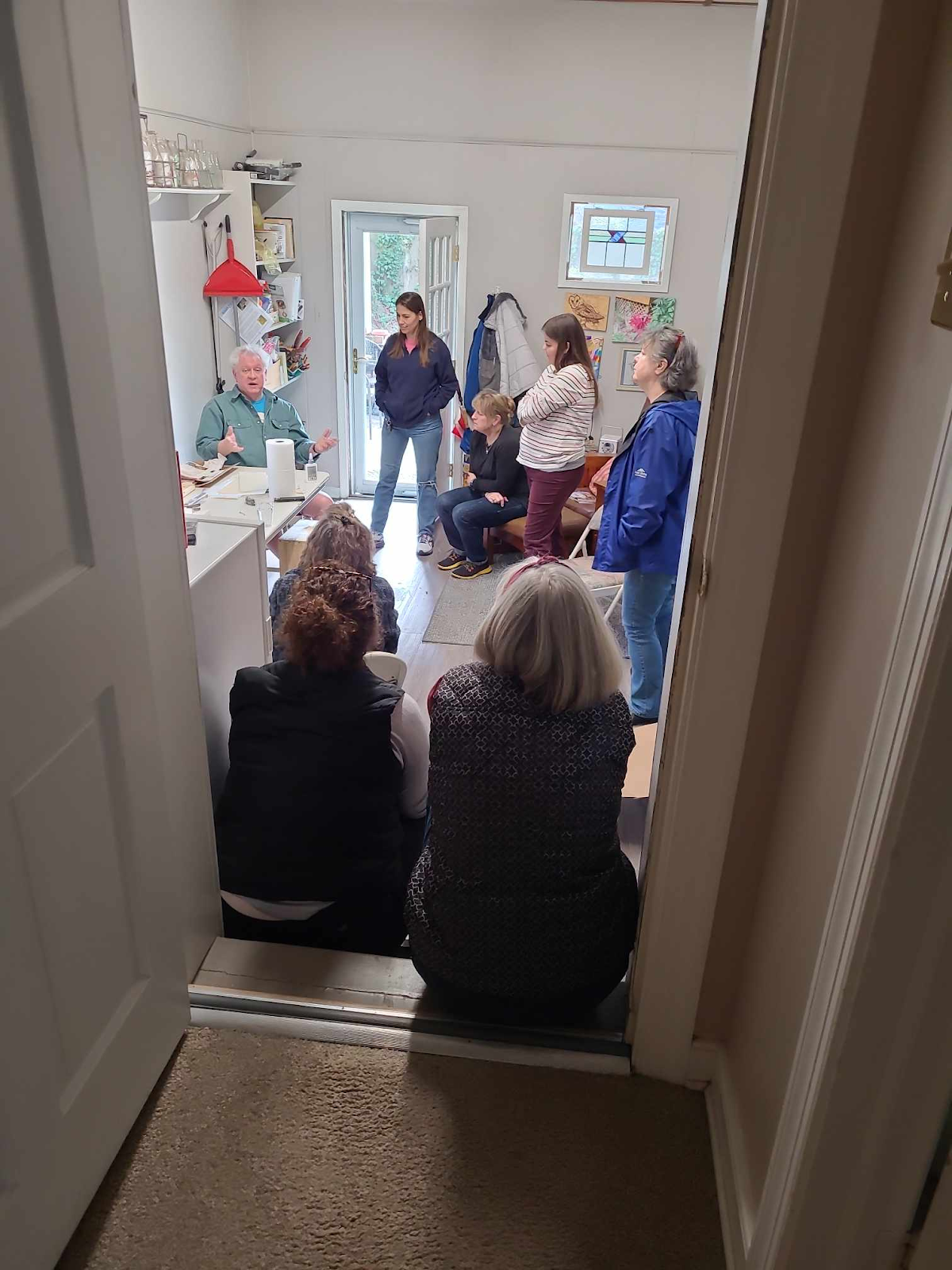
Rick McCormick would like to thank everyone who helped out with his hives while he was recuperating from knee surgery. We all know Rick and one thing is for sure…he is going to keep educating and sharing about honeybees. Recently, Rick had a group of bee students at his house for a potluck lunch & learning. 😀
Final Word
Thanks to everyone who talks with individuals, as well as, in small and large groups about beekeeping. Every little bit helps people understand the importance of honeybees in our ecosystem and just may encourage folks to become part of the beekeeping community or become bee-friendly in their gardens.
If you are not a member of RPBBA, we encourage you to join and bee active. You can join on our website. We are always looking for ways to improve communications in the club. If you have any ideas or suggestions, please let me know.
With February full of events,we will probably see a lot of each other!
Hollee Freeman
Communications
Check us out at rockwoodbeekeepers.com!
Like us on Facebook!
Join our Facebook RPBBA Practical Beekeeping Group!
Keep up with what RPBBA is doing, see Calendar of Events!
*****************************************************************************
This is the official Rockwood Park Backyard Beekeepers email. RPBBA will never share your email with anyone outside of the organization or for non-club-related business without your permission. If you wish to update your email or be removed from our email list please complete this form.
 Rockwood Park Backyard Beekeepers